
Onimusha: Way of the Sword Weapons Guide
Onimusha: Way of the Sword weapons split into Musashi’s standard blade work and Oni Armaments, the soul-powered special weapons. This page builds the reference structure, records what official sources confirm today, and defines the gameplay tests each weapon entry needs before it publishes.
Quick answer
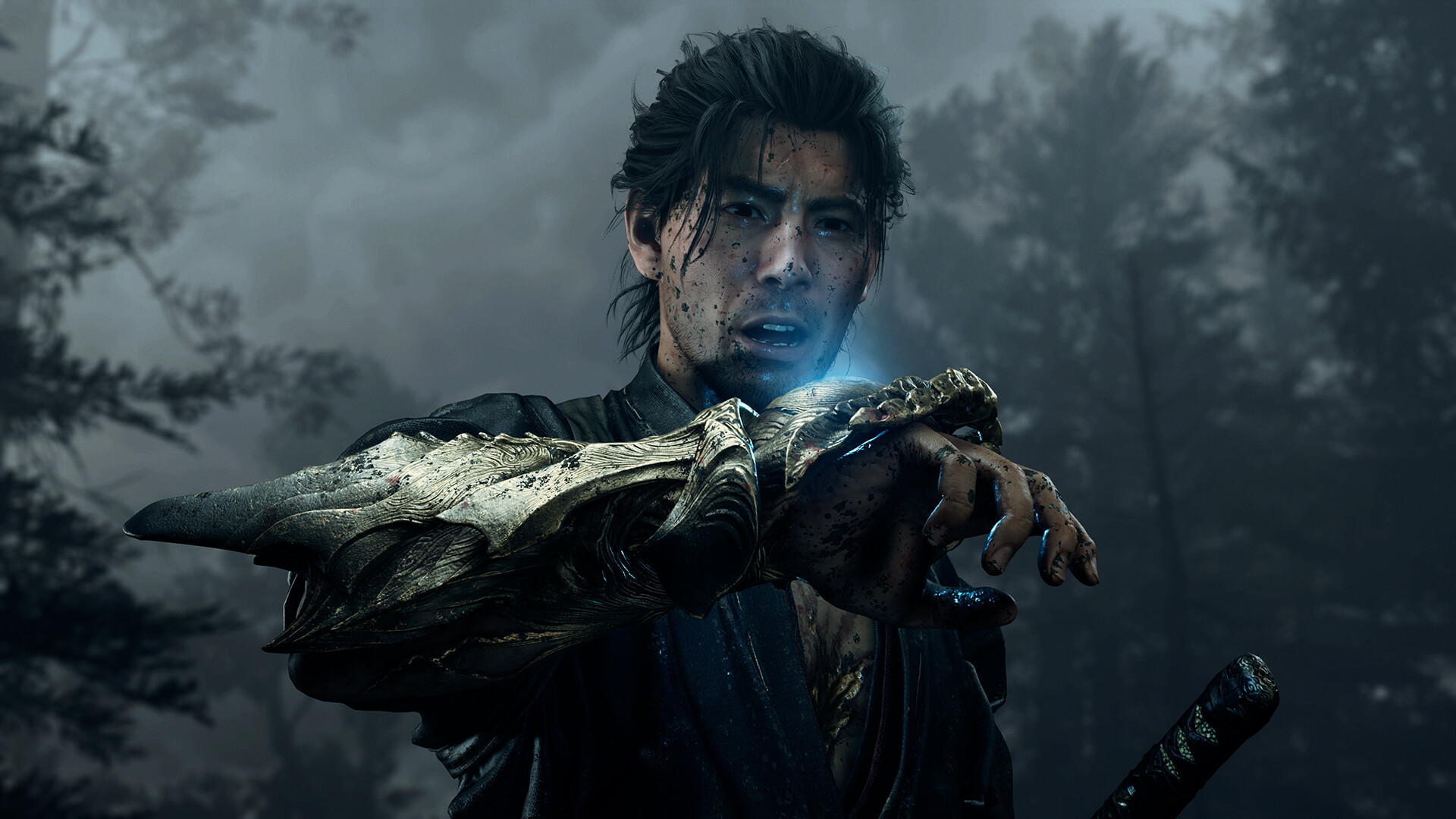
Official material confirms one structural split: Musashi fights with a sword as his baseline weapon, and Oni Armaments are the special weapons powered by blue souls, usable from the demo onward. Deluxe edition buyers should note the distinction that matters: the kit’s Sword Appearance items change how blades look and nothing else. A complete per-weapon reference, with unlock routes, upgrade tracks, and measured performance, is the goal of this page, and each entry publishes only after its in-game checks are done.
What official sources confirm
Three weapon facts rest on official material checked on September 4, 2026. First, the demo grants Oni Armament access, so the special-weapon system exists from the opening hours of the retail build. Second, the store listings describe Sword Appearances, including Bamboo & Panda, Whittled Oar, Raizan, and Enryuu, as cosmetic skins that do not alter battle performance. Third, charms are the equipment class that does strengthen Musashi, so a gameplay bonus and a cosmetic skin are different item categories, not flavors of the same thing.
Oni Armaments vs the standard blade
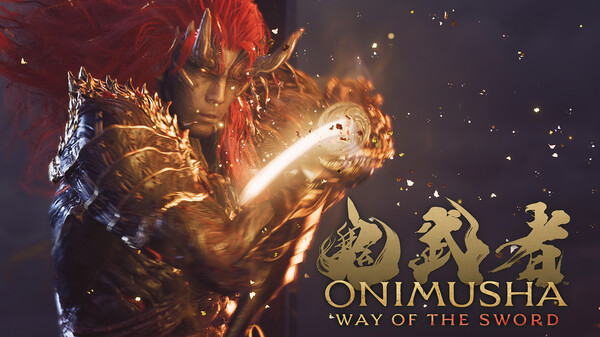
The two weapon layers answer different problems. The standard blade is the always-available option that the parry, Issen, and Reflex Combo loop runs on; it never runs out of resource. Oni Armaments spend blue souls to deliver what the baseline kit cannot: bursts of power that end exchanges or answer states the sword handles poorly. The tactical skill is sequencing, absorbing souls after kills so the armament charges exist when a fight calls for them, exactly as the combat guide’s loop describes.
Upgrades and effects
The retail build includes upgrade tracks that consume absorbed souls, and the beginner plan already treats spending discipline as a core habit. What a weapon entry needs is the track’s actual shape: which effects unlock at which investment level, and how each step changes fight length. Storefront text does not publish those curves, so this page fills the table below through gameplay checks, one weapon at a time, with the game version attached to every result.
| Field | What a completed entry records |
|---|---|
| Unlock route | Where the weapon comes from: story gate, exploration, or defeat reward |
| Upgrade track | Investment steps and the effect each step adds |
| Soul economy | What the weapon costs to use or improve, in absorbed souls |
| Measured behavior | How movesets and effects change encounters, from repeated tests |
| Version | The game build the checks ran on |
The per-weapon entry template
Every weapon that earns a section on this page follows the same order: identity and unlock route first, upgrade track second, soul economy third, measured behavior fourth. The fixed order serves two readers at once. A player deciding what to spend souls on reads top to bottom, and a player verifying a claim against their own save knows exactly which field to check. Entries missing any field stay unpublished rather than shipping half a reference.
Step-by-step: build your own weapon log
Step 1. When a new weapon or Oni Armament arrives, fight three ordinary Genma groups with it before spending any upgrade souls. First impressions of reach, speed, and recovery need a baseline to be honest.
Step 2. Spend along one track at a time and note what changed. A weapon log with one variable per entry is the only kind that stays readable ten hours in.
Step 3. Revisit one earlier encounter with the upgraded weapon and compare fight length against your memory of the baseline. That before-and-after habit is exactly the test this page runs before publishing an entry, and your log becomes the local copy of the same evidence.
FAQ
Do the Deluxe weapon skins make swords stronger?
No. Official store copy describes the Sword Appearance items as cosmetic, changing look without altering battle performance. The Deluxe charms are the kit items that strengthen Musashi.
What are Oni Armaments powered by?
Blue souls absorbed from defeated Genma. The demo grants Oni Armament access, and absorption discipline is what keeps the charges available.
Where do weapons unlock?
Confirmed unlock routes publish per weapon as gameplay checks complete. The mission-led structure means progression gates, exploration, and defeats are the expected source categories.
Is there a best weapon?
A best-weapon claim is a measured claim: it needs the upgrade curves, soul costs, and encounter results for every candidate. The template above is the standard each contender meets before that comparison publishes.
Why does a cosmetic item appear in a weapons guide?
Because search traffic mixes them up constantly. Recording that Sword Appearances change nothing about combat is itself verified information, and it prevents a wrong upgrade decision at the store page.
Related pages
- Onimusha: Way of the Sword Combat Guide — the loop these weapons plug into.
- Onimusha: Way of the Sword Beginner Guide — spending discipline for your first upgrade souls.
- Onimusha: Way of the Sword Boss Guide — where Oni Armament charges matter most.
- Onimusha: Way of the Sword Editions — Standard vs Deluxe — exactly what each kit includes.
Reference structure verified against official store and demo material checked on September 4, 2026 by the Onimusha: Way of the Sword Wiki Team.