
Is Onimusha: Way of the Sword Open World?
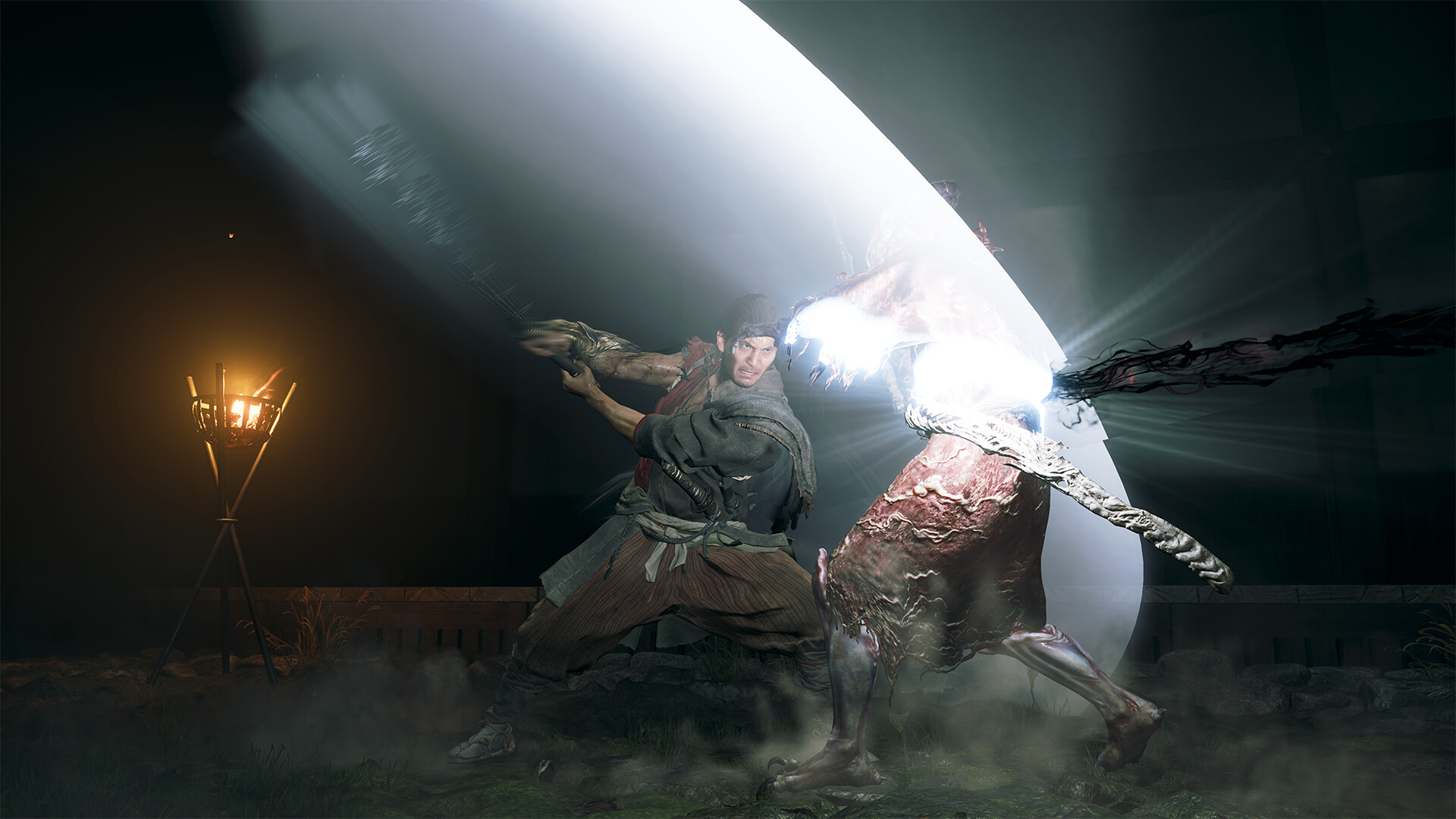
The short answer: it is not presented as a seamless open-world game. Capcom describes tighter missions that flow into wider areas of Kyoto, with access expanding as story progression clears barriers and Malice.
Short answer
Onimusha: Way of the Sword is best described as a mission-led action game with broader exploration spaces, not as a seamless open world. The official final preview says that tighter missions flow into wider areas and that Kyoto becomes increasingly explorable. That wording supports meaningful exploration, but it does not establish one unrestricted map available from the beginning.
How Kyoto opens up
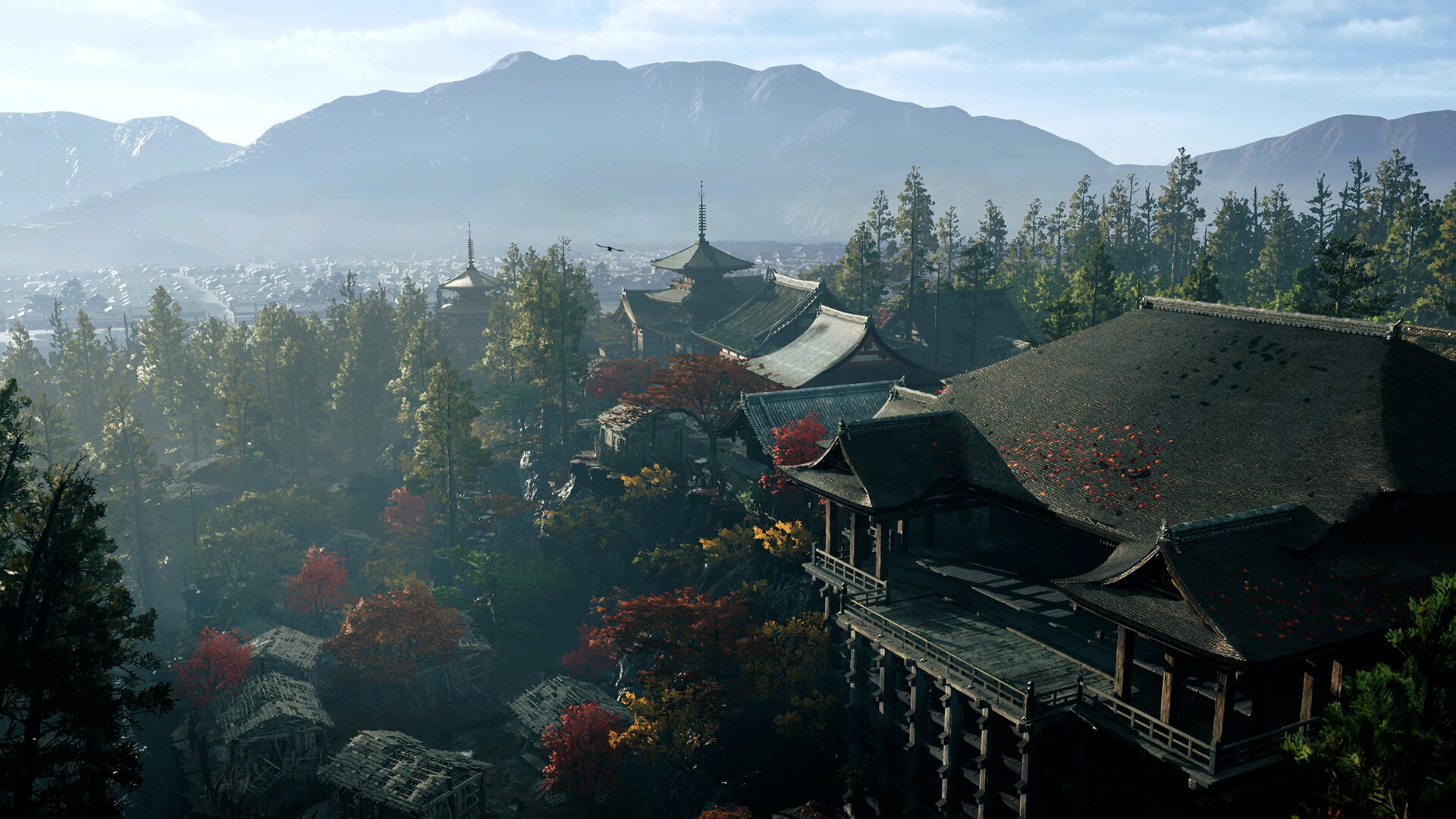
The setting is Edo-period Kyoto transformed by Malice and the arrival of the Genma. Official material describes barriers and corrupted areas that change as Musashi advances. Some supernatural abilities also affect traversal: Oni Strength can break obstacles, while Oni Agility can carry Musashi across certain walls. The Oni Bow can trigger distant mechanisms and environmental puzzles.
These systems make routes more layered than a single corridor. They still suggest authored progression: new access follows story advancement, cleared Malice, acquired abilities, or solved environmental gates.
Why the distinction matters
Calling the game fully open world can create the wrong expectation about free roaming, mission order, and immediate map access. Calling it strictly linear also misses the wider districts, optional-looking paths, and returning access shown in official previews. “Mission-led with expanding exploration” preserves both parts of the evidence.
This distinction also affects future walkthroughs. A route may depend on the player’s current mission state or unlocked Oni ability. A location guide therefore needs to state its progression requirements instead of treating every area as permanently open.
What remains unverified
This page does not claim a complete map size, a final fast-travel network, the exact point every barrier clears, or the number of optional areas. Those details require retail-build mapping. They will be added only when the site can reproduce them and record the relevant progression state.