
Onimusha: Way of the Sword Review
This review publishes after a documented full playthrough of Onimusha: Way of the Sword on a recorded build. Until the playthrough completes, this page is the review's contract: what gets assessed, what evidence each section needs, and what a score on this site is allowed to mean.
Quick answer
There is no score on this page yet, and that is the honest answer. The game launched on September 4, 2026, and a review worth publishing needs a completed, documented playthrough on a recorded build: combat experienced past the tutorial curve, enough of the boss roster to judge its pattern language, exploration across the widening Kyoto structure, and performance measured on fixed hardware rather than felt in passing. This page ships now so the standard is public before the verdict is.
What gets assessed
| Area | The question the review answers | Evidence required |
|---|---|---|
| Combat | Do parry, Issen, and the soul loop stay fresh past the midgame? | Full playthrough plus the combat drills from the combat guide |
| Bosses | Does the pattern language deepen or repeat across the roster? | Every confirmed and retail encounter attempted under recorded settings |
| Exploration | Do Oni powers make return trips worth taking? | Gates logged on the route, revisits timed |
| Story | Does the Edo-period Kyoto premise hold the mission structure together? | Full campaign completed with cutscene policy recorded |
| Performance | Do the official targets hold on hardware near each tier? | Fixed-route tests from the benchmark protocol, per GPU |
| Value | What does the asking price buy, at each edition level? | Storefront data with checked dates plus completed run length |
The evidence standard
Every claim in the finished review traces to one of two sources: official Capcom or storefront material with a checked date, or documented gameplay on a recorded build. Secondhand numbers, aggregate review scores, and impressions carried over from preview coverage do not enter the text. Where the playthrough hits a wall the evidence cannot cross, such as a timing window that resisted repeated measurement, the review says exactly that instead of smoothing it over.
The playthrough itself follows the same rules the site's tested guides use: the build version, difficulty, and run rules stay attached to every observation, and anything that changes after a patch gets re-checked before it appears in the final text.
How a score works here
A score on this site is a compression of the six assessed areas, not a vibe. When the review completes, each area receives its evidence-backed verdict first, and the overall score summarizes those verdicts with the weighting stated in the text. A score without its breakdown, or a breakdown without its evidence trail, does not ship. That policy exists so a number published here stays comparable against the tested guides rather than against memory.
What the site can already say
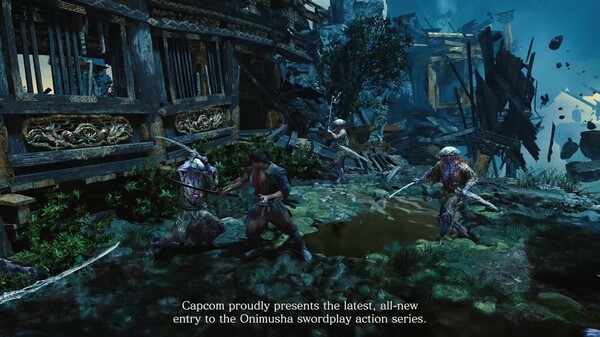
The foundation is documented on the guide pages, and it is genuinely promising: the demo's two encounters teach a readable defensive loop, the official PC tiers are transparent about their targets, and the mission-led Kyoto structure gives exploration a clear progression spine. What separates a promising foundation from a great game is exactly what the full playthrough measures: whether the loop compounds across the whole roster, whether the widening city keeps paying for detours, and whether performance holds where the specification sheet says it should.
Step-by-step: follow the review to completion
Step 1. Read the guide for the area you care about most: combat, bosses, length, or performance. Each one defines the exact evidence its section of the review will cite.
Step 2. When the review publishes, check the build and difficulty line first. It tells you how directly the verdict transfers to your platform and settings.
Step 3. If your experience contradicts a verdict, the evidence trail shows what was measured. That is the point of publishing the standard before the score.
FAQ
Why is there no score yet?
The review publishes after a documented full playthrough on a recorded build. Publishing a score before that would repeat the practice this site exists to avoid.
When will the full review land?
When the playthrough, performance runs, and evidence checks complete. The guides hub links to the finished review the day it replaces this page's framework.
What will the score be based on?
The six assessed areas, each with its evidence-backed verdict, plus a stated weighting. The breakdown ships with the number or the number does not ship.
Does the review cover all platforms?
Performance sections cite platform capability data and PC measurements from the benchmark protocol. Console play impressions come from the platform the playthrough runs on, labeled as such.
Will DLC or patches change the score?
Substantial patches get re-tested under the same protocol. Any changed verdict publishes as an update with its date, not as a silent edit.
Related pages
- Onimusha: Way of the Sword Guides — the full guide library the review cites.
- Onimusha: Way of the Sword Combat Guide — the loop the combat verdict measures.
- Onimusha: Way of the Sword Benchmark & PC Performance — the protocol behind the performance section.
- How Long Is Onimusha: Way of the Sword? — the run rules behind the value verdict.
- Onimusha: Way of the Sword PC System Requirements — the official tiers performance is judged against.